
Invitation-based art exhibitions reshape what gets displayed and why
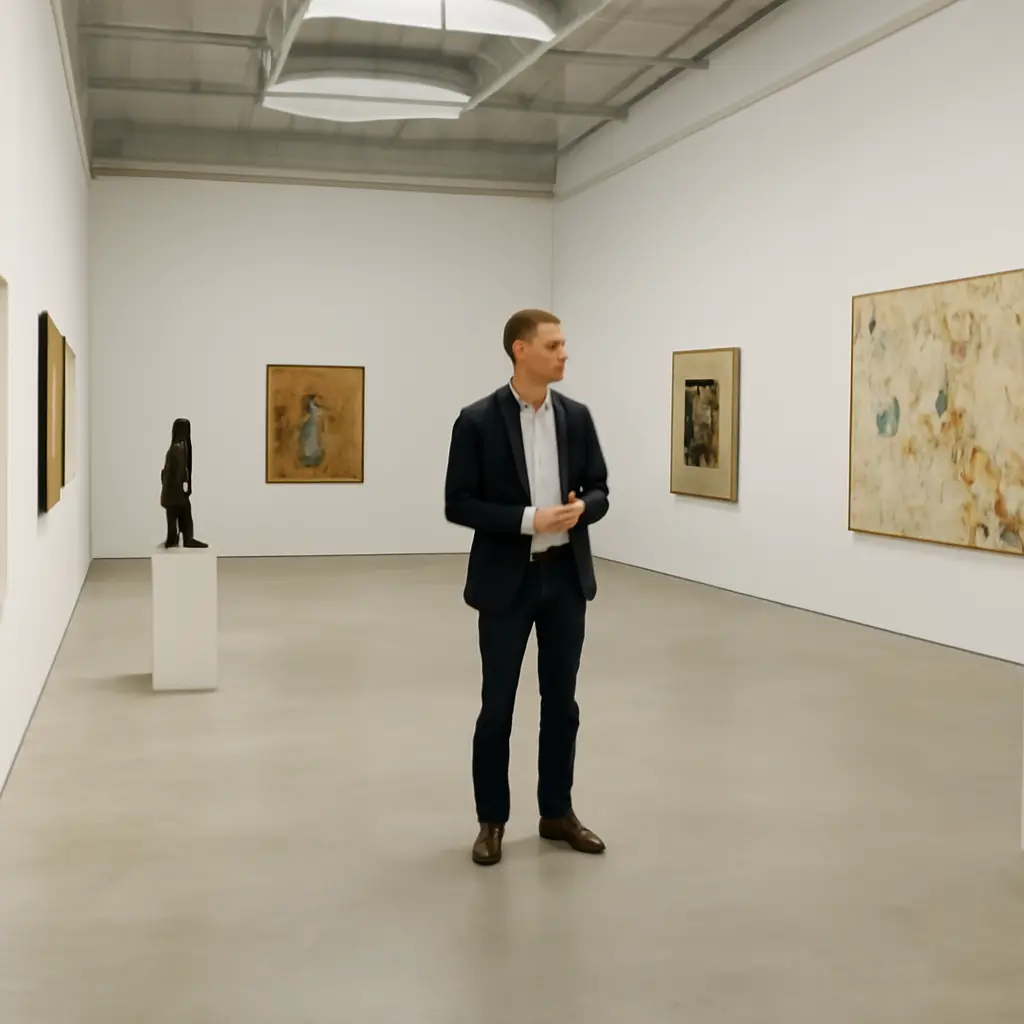
Invitation-based art exhibitions are shows in which curators, institutions, or organizers select artists and artworks rather than accept submissions through an open call. This format changes both what is displayed and why: selection can build a focused argument, bring overlooked practices into view, or deepen relationships with particular artists, while also concentrating decision-making in a relatively small group. Museum exhibition histories and the Smithsonian’s research on the National Museum of African Art’s artist commissions illustrate how invitation and commissioning can shape representation, interpretation, and access. The effects are not automatically inclusive, however; they depend on who makes invitations, how criteria are set, and whether audiences can understand the choices.
How invitation-based exhibitions shape curatorial selection
An invitation-based exhibition is an exhibition in which an organizer asks selected artists to participate, submit work, or develop a project, instead of choosing participants solely from a public application process. The term describes a method of assembling a show, not a single artistic style or formal museum category. Invitations may be made by a curator, a gallery, a biennial, a festival, or an artist-organizer. In practice, invited exhibitions often combine selection with commissioning: artists may be asked to contribute existing work, make new work, or respond to a stated theme.
This format matters because exhibitions are not neutral containers. Art historian and curator Bruce W. Ferguson, in writing about exhibitionary practice, treats exhibitions as constructed interpretations: the works selected, their arrangement, and their framing help produce meaning. Invitation-based selection makes that construction especially visible. A curator can form a tightly connected group around a question, medium, place, or historical omission; at the same time, the invitation list determines who receives visibility, institutional support, and access to audiences.
Curated thematic invitations
A thematic invitation asks artists to contribute to a shared subject, such as migration, ecology, memory, or a particular historical moment. Unlike a broad open call, it allows organizers to seek artists whose practices bring different forms of expertise or experience to the theme. The resulting exhibition can place contrasting works in conversation and make a curatorial argument through comparison. The risk is that a theme can become a filter that simplifies artists’ practices or treats them as representatives of a group rather than as individual makers.
Commissioned and site-responsive projects
A commission is a request for an artist to create or adapt work for a particular exhibition, institution, audience, or site. Invitations make commissions possible by establishing a direct relationship between organizer and artist before the work is made. Site-responsive projects may address a building’s history, a community’s concerns, or the conditions of a gallery. The Smithsonian’s National Museum of African Art, for example, has documented artist commissions as a means of connecting contemporary practice with the museum’s collections and interpretive work. Such projects can broaden what a collection-based institution presents, though commissions require time, funding, and clear communication about artistic independence.
Invitations within biennials and group exhibitions
Biennials and large group shows frequently use invitations to assemble artists across regions, generations, and disciplines. This approach gives curators room to build a coherent exhibition across a large venue and to include work that may not fit conventional market or collection categories. It can also reinforce established professional networks if invitations repeatedly circulate among familiar artists and institutions. The distinction between an invited show and an open-call show is not absolute: some exhibitions use both, reserving invitations for particular contributions while reviewing public submissions for others.
How invitation-based exhibitions influence visibility and representation
Because an invitation determines who enters the exhibition, it is also a decision about visibility. A selected artist may gain press coverage, professional contacts, sales opportunities, and a record of institutional recognition. Conversely, artists outside the organizer’s networks may remain unseen even when their work is relevant. The central question is therefore not simply whether an exhibition is invited or open, but how selection criteria, relationships, resources, and accountability shape its participant list.
Access, networks, and gatekeeping
Gatekeeping is the process through which people or institutions control access to cultural platforms. Invitations can reduce the burden of reviewing hundreds of unsolicited proposals and allow curators to approach artists whose work they have studied. Yet relying on personal knowledge can reproduce unequal access when curatorial networks are narrow. The National Endowment for the Arts’ research on arts participation emphasizes that participation varies across demographic and social conditions; it does not measure invitation practices directly, but it underscores why institutions should examine who can reach and benefit from cultural opportunities.
Organizers can make invitation systems more accountable by publishing selection principles, documenting how artists were identified, compensating participants, and creating routes for artists beyond existing networks to be considered. These steps do not remove curatorial judgment. They make the judgment more legible and give institutions a basis for assessing whether their practices match their stated commitments.
Representation and the limits of numerical counts
Representation concerns both who is present and how their work is interpreted. Counting artists by gender, race, geography, career stage, or medium can reveal patterns across a program, but a single exhibition’s participant count cannot establish lasting equity. The Guerilla Girls’ long-running interventions into museum representation, including their 1989 poster asking how many women artists appeared in major museum collections, show how public-facing counts can expose institutional imbalance. Their work is a historical example of using visible evidence to challenge the assumptions behind exhibition and collection decisions.
A more complete review considers exhibition frequency, gallery placement, interpretation, fees, and whether artists are invited to contribute on terms that respect their work. Institutions can also compare invited participants with the artists they collect, publish, or feature in future programs. A chart tracking these measures over several years would show whether a one-time inclusion changes the institution’s pattern or merely creates an isolated exception.
How invitation-based exhibitions shape interpretation and audience experience
Selection influences not only which art appears, but also the story visitors encounter. A group of invited artists can make a curatorial premise more coherent, while distinct artistic approaches can complicate that premise. Exhibition design, labels, public programs, and the placement of works then guide how audiences connect the pieces. Invitations thus shape a chain of decisions—from who is asked, to what is made, to how visitors are invited to understand it.
Curatorial argument and juxtaposition
Juxtaposition means placing works near one another so that similarities and differences become meaningful. In an invited exhibition, a curator can deliberately pair artists who use different media or hold contrasting perspectives. This can help visitors see a theme as contested rather than settled. The method is strongest when interpretation explains why the works are together without claiming that every artist shares the same position or experience.
Audience participation and public programs
Talks, workshops, performances, and community partnerships can extend an invitation-based show beyond the gallery. These programs give audiences ways to encounter artists’ processes and questions, rather than treating the exhibition as a finished collection of objects. The American Alliance of Museums’ guidance on community engagement encourages museums to build reciprocal relationships with the people they serve. Applied to invited exhibitions, that principle means consulting relevant communities early and treating participation as an ongoing relationship, not merely as a source of content or an audience-building tactic.
How institutions can make invitation practices more transparent
Transparency does not require institutions to abandon curatorial selection. It means making the process understandable enough that artists and audiences can distinguish an intentional artistic decision from an unexplained preference. Clear practices also help organizers assess whether the exhibition’s stated purpose is reflected in its participants, working conditions, and public interpretation.
Publish criteria and explain the invitation’s purpose
Organizers should explain whether invitations are based on artistic research, a specific commission, a thematic connection, community knowledge, or another defined aim. They should distinguish those reasons from eligibility requirements and communicate what participation involves, including deadlines, production support, fees, installation responsibilities, and rights to document or reproduce work. This helps invited artists make informed decisions and helps audiences understand the exhibition’s structure.
Track outcomes and review patterns over time
A meaningful evaluation records more than the number of participants. Institutions can track who is invited, who declines, what support is provided, which artists receive repeat invitations, and how exhibition participation relates to later acquisitions or commissions. Reviewing several years of data helps distinguish a durable change from a single high-profile show. Where demographic data are collected, institutions should explain the purpose, protect privacy, and avoid treating identity categories as substitutes for individual artistic judgment.
Conclusion: invitation-based exhibitions as curatorial choices
Invitation-based exhibitions reshape what gets displayed by allowing organizers to assemble artists around a deliberate theme, commission new work, and create meaningful juxtapositions. They reshape why art is displayed by making curatorial relationships, institutional priorities, and interpretive arguments central to the show. As the discussion of selection, representation, and audience experience shows, invitations can open valuable opportunities while also concentrating gatekeeping power.
Institutions, artists, and visitors can assess these exhibitions by asking who made the invitations, what criteria guided them, how artists were supported, and whether the exhibition’s claims are reflected in its outcomes. Further reading on exhibition history, museum representation, and community engagement can help audiences look beyond the checklist of works and examine how an exhibition’s choices produce meaning.
Sources: Bruce W. Ferguson, “Exhibition Rhetorics: Material Speech and Utter Sense,” Thinking About Exhibitions, 1996, https://mitpress.mit.edu/9780262611293/thinking-about-exhibitions/; Smithsonian National Museum of African Art, Artist Commissions and Contemporary Art, https://africa.si.edu/; National Endowment for the Arts, U.S. Patterns of Arts Participation: A Full Report from the 2017 Survey of Public Participation in the Arts, 2019, https://www.arts.gov/impact/research/publications/us-patterns-arts-participation-full-report-2017-survey-public; Guerrilla Girls, “Do Women Have to Be Naked to Get into the Met. Museum?”, 1989, https://www.guerrillagirls.com/; American Alliance of Museums, Excellence in DEAI, https://www.aam-us.org/programs/diversity-equity-accessibility-and-inclusion/
Related Post

Where To Find Quality Fine Art Beyond Big Auction Houses
Quality fine art is artwork with significant artistic, historical, cultural, technical, or market merit, assessed [...]
The Careful Process Of Selecting Work For A Show
Curatorial selection is the deliberate process of choosing, organizing, and contextualizing artworks for public presentation. [...]