
Is Painting Still Relevant in a Digital Age?
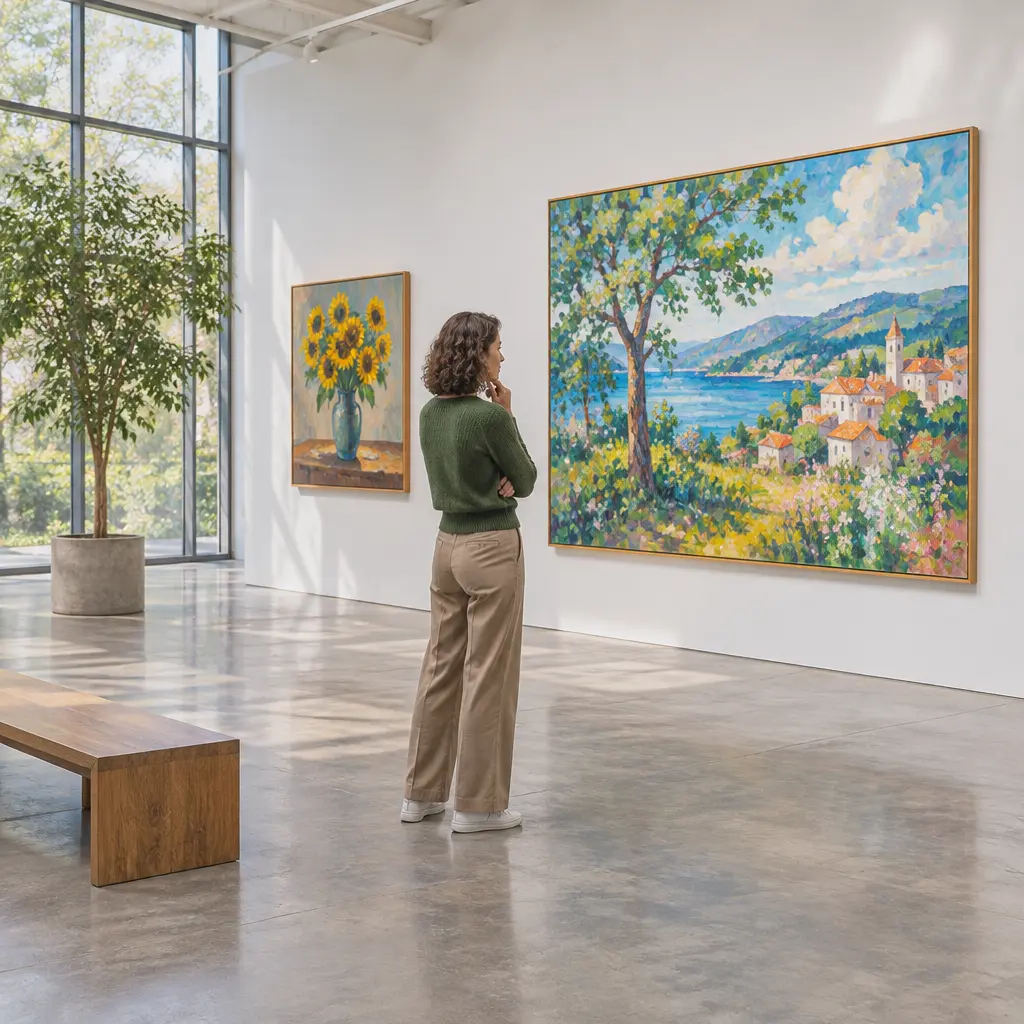
Painting remains relevant in the digital age because it offers more than an image: it is a physical, material process that carries traces of an artist’s choices, time, and touch. Digital tools have changed how paintings are made, viewed, sold, and discussed, but they have not erased the appeal of working with pigment on a surface. Museum attendance, the continuing art market, and the growth of digital platforms all point to a culture in which traditional and digital practices coexist. The question is therefore less whether painting survives than how its meanings and audiences are changing.
Painting’s relevance rests on material presence and human interpretation
Painting is the practice of applying pigment or other color-bearing material to a surface to create an image, pattern, or expressive mark. The medium includes oil, acrylic, watercolor, tempera, and mixed-media works, as well as digitally produced images that imitate or extend painterly techniques. The National Gallery of Art describes painting in terms of applying paint to a support such as canvas, wood, or paper—a definition that emphasizes the physical encounter between material and surface.
That physical encounter distinguishes a painted canvas from a screen image, even when the composition is similar. A viewer can encounter a painting’s scale, texture, reflected light, and evidence of revision in person. At the same time, photographs, museum websites, social platforms, and online marketplaces let paintings travel far beyond the gallery. These forms of access do not make the original obsolete; they make the relationship between original and reproduction a central part of contemporary viewing.
Painting as a material object
A painting is both an image and an object. Its surface may reveal brushstrokes, layered pigment, cracks, or changes made during the creative process. Conservation institutions study these features because materials and techniques affect a work’s condition and interpretation. The Getty Conservation Institute, for example, researches the preservation of cultural heritage, including the materials and deterioration processes that shape how artworks endure.
This material character also helps explain why a high-resolution digital image is not a complete substitute for seeing a work in person. A screen can communicate composition and color, but it cannot fully reproduce the physical scale, surface, or changing appearance of a painting under different lighting. Digital reproductions are valuable access tools; the original offers a distinct sensory and historical encounter.
Painting as a form of communication
Paintings communicate through visual choices such as color, gesture, composition, subject, and scale. Their meanings can change with historical context and with the viewer’s experiences. A portrait, for instance, may operate as a likeness, a display of status, a record of identity, or a reinterpretation of who has traditionally been represented. Painting’s capacity to carry several meanings at once keeps it relevant to debates about memory, politics, culture, and personal experience.
These qualities connect painting to photography, illustration, design, and digital image-making. Rather than existing in isolation, painting can absorb the visual language of those media while retaining its own methods and material history.
Digital technology changes how painting is made and encountered
Digital technology is the use of computer-based tools and networks to create, reproduce, distribute, or interpret visual work. In relation to painting, it includes digital painting software, tablets and styluses, online collections, virtual exhibitions, image-sharing platforms, and digitally assisted conservation. These tools affect different stages of artistic and public engagement: making, circulation, discovery, and preservation.
The shift is not simply from “traditional” to “digital.” Many artists move between physical and digital processes—for example, planning a composition on a tablet before painting it on canvas, or scanning a painted work for online display. Digital access can expand an audience, while the original painting continues to offer qualities that digital files cannot fully convey.
Digital painting and hybrid practice
Digital painting uses software and electronic input devices to simulate or develop painterly marks. Artists can experiment with color, layers, brushes, and composition without consuming physical paint or support. These capabilities make revision and duplication easier, but they also introduce questions about file formats, software dependence, authorship, and long-term preservation.
Hybrid practice combines digital and physical methods. An artist might use digital sketches as a plan, project an image onto a large surface, or incorporate printed elements into a painted work. The result demonstrates that new tools can expand painting’s methods rather than simply replace them. What remains distinctive is the artist’s set of choices and the visual experience those choices produce.
Online collections and digital access
Online collections allow people to explore works that may be geographically distant, on loan, or otherwise inaccessible. The Google Arts & Culture platform, developed with museums and cultural organizations, provides online access to collections and cultural experiences. Museum digitization projects similarly make images and collection information available for learning and research.
Digital access is especially useful for comparing works across periods, studying details, and supporting classroom use. But an online image is shaped by the camera, display, image compression, and viewer settings. Institutions therefore treat digital images as important interpretive resources, not as perfect replacements for original works.
Social platforms and changing discovery
Social platforms enable artists to publish work directly, share process images, and communicate with audiences without relying solely on galleries or traditional media. This can make emerging practices more visible and help viewers encounter art outside museums. It also means that images compete for attention in fast-moving feeds, where a painting may be viewed briefly, cropped, or separated from its context.
Online visibility is not the same as sustained engagement or financial stability. Artists still navigate uneven access to audiences, platform rules, copyright concerns, and the challenge of converting attention into sales or professional opportunities. Digital circulation expands the possibilities for connection while creating new dependencies.
Painting remains culturally and economically significant
Painting’s relevance can also be assessed through cultural participation and the art economy. These measures do not prove that every painting has an audience or commercial value, but they show that visual art continues to occupy public and institutional space. Museums preserve and exhibit paintings, collectors support artists and galleries, and audiences encounter art both in person and online.
Museum attendance and public engagement
The National Endowment for the Arts’ 2022 Survey of Public Participation in the Arts reported that 16.5% of U.S. adults visited an art museum or gallery in the prior year. The survey also documented arts participation through digital media, illustrating that cultural engagement can occur through both physical attendance and online access. These findings provide a useful measure of continuing interest, while also showing that museum visits are only one part of how people encounter art.
For painting, public engagement includes more than viewing a famous work in a gallery. It can involve community exhibitions, art education, online collection browsing, and encounters with paintings in public or shared spaces. The range of settings helps explain why painting remains visible even as audiences’ habits change.
The art market and its limits
The global art market provides another indicator of the sector’s scale, though it should not be mistaken for a direct measure of painting’s popularity. Art Basel and UBS reported in their 2024 art-market report that global sales reached an estimated $65 billion in 2023, down 4% from 2022. The report covers multiple categories, including paintings, sculpture, photography, and other works, so the total does not represent painting alone.
Market figures also capture only transactions that can be measured and do not account for the full cultural value of art. Many influential paintings are held in public collections, remain outside commercial circulation, or matter primarily to communities and histories rather than buyers. The market is evidence of ongoing economic activity, not a final verdict on artistic relevance.
Education, skills, and visual literacy
Painting supports visual literacy: the ability to interpret images, notice how they are constructed, and consider what they communicate. Learning to paint can involve observation, color relationships, composition, experimentation, and revision. Those skills are useful even when a learner later works in illustration, animation, design, or digital media.
In an image-saturated environment, close attention to how an image is made can help viewers question visual messages rather than simply consume them. Painting is therefore relevant not only as a professional medium but also as a way to practice looking, making, and interpreting.
Painting faces challenges that shape its future
Painting’s continued presence does not mean the medium is free from pressure. Artists and institutions face changing costs, competition for attention, questions about digital ownership, and the demands of preserving both physical and born-digital work. Understanding these challenges clarifies why relevance is an ongoing practice rather than a guaranteed status.
Attention, reproduction, and context
Online images are easy to copy, share, and detach from their original context. A painting may circulate as a cropped photograph or meme, gaining reach while losing information about its artist, date, meaning, or ownership. Museums, educators, and artists can respond by pairing images with reliable captions, interpretive material, and clear rights information.
This challenge is not unique to painting, but it matters because painting’s material and historical features are often difficult to communicate through a single image. Thoughtful digital presentation can help viewers understand what a reproduction shows and what it cannot.
Preservation in physical and digital forms
Physical paintings require care against environmental damage, light exposure, and material deterioration. Digital works have different risks, including obsolete software, unsupported file types, and lost storage media. The Library of Congress’s digital-preservation guidance emphasizes the importance of managing files and metadata over time; that principle applies to digital artworks as well as other born-digital records.
Conservation is therefore a bridge between painting’s past and future. It protects the material evidence of older works while encouraging institutions to plan for the survival and accessibility of digital creations.
Access and inequality
Digital platforms can widen access, but reliable devices, connectivity, accessible design, and time are not equally available to everyone. In-person museums also face barriers such as travel, cost, physical accessibility, and geographic distance. A more inclusive approach combines online resources with accessible physical spaces, education programs, and representation of artists from diverse backgrounds.
The future of painting depends partly on who is able to make it, preserve it, encounter it, and participate in defining its significance. Expanding access is not separate from the medium’s relevance; it is one of the ways relevance is sustained.
Conclusion: painting’s relevance depends on what people do with it
Painting remains relevant because it combines material presence, visual communication, and a capacity to adapt. Digital tools have expanded how paintings are created and encountered, while museums, public participation, education, and the art market show that visual art continues to matter in cultural life. The statistics tell only part of the story: a painting’s value can be sensory, historical, educational, communal, or personal, as well as financial.
Readers can explore a local museum, compare an online reproduction with an in-person work, or learn how artists combine physical and digital methods. These actions make the central point tangible: painting is not relevant because it resists change, but because people continue to use it to make, share, and interpret meaning.
Sources: National Gallery of Art, “What Is a Painting?” and collection resources, https://www.nga.gov/; Getty Conservation Institute, Research and Conservation, https://www.getty.edu/conservation/; National Endowment for the Arts, 2022 Survey of Public Participation in the Arts, https://www.arts.gov/impact/research/arts-data-profile-series/adp-31; Art Basel and UBS, The Art Market 2024, https://www.artbasel.com/about/initiatives/the-art-market; Google Arts & Culture, About, https://artsandculture.google.com/; Library of Congress, Digital Preservation, https://www.loc.gov/preservation/digital/
Related Post
Why Some Painters Work Quickly While Others Work Slowly
A painter’s speed is the pace at which they plan, apply, revise, and finish a [...]
The Patient Journey Of Bringing A Painting To Life
A painting’s patient journey is the gradual transformation of an idea into a material, visual, [...]